The Importance of Tree Trimming Services: Maintaining Your Landscape's Beauty
Tree trimming services play an essential role in maintaining an appealing landscape. Such practices elevate the visual appeal of trees while promoting overall garden health. Routine trimming clears away dead or excessive branches but also improves light and air circulation. Recognizing the advantages of these services supports improved landscape care. As property owners consider their options, they might question the ideal methods and indicators that signal when trimming is needed.
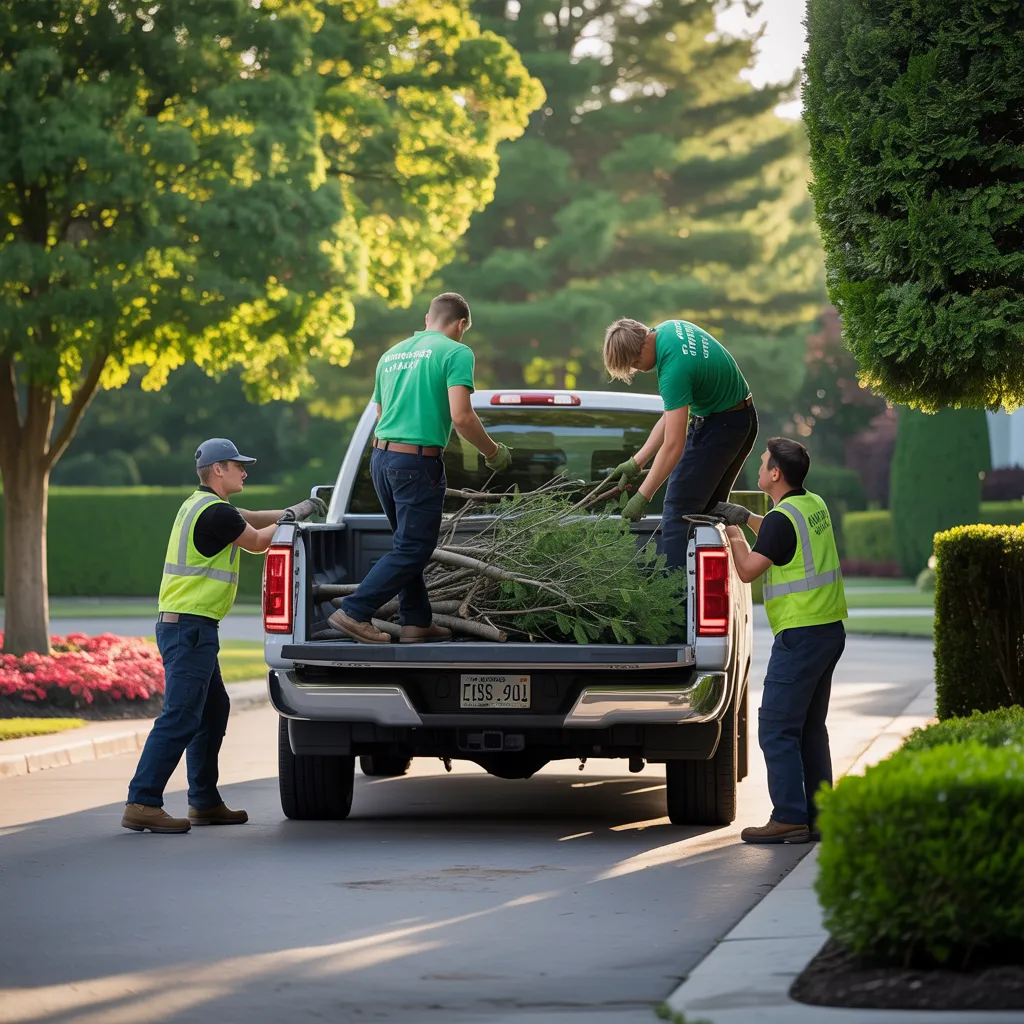
Why Tree Trimming Matters for Your Landscape
Tree trimming is a critical factor in keeping a thriving and attractive landscape. Consistent trimming boosts the visual attractiveness of trees, ensuring they harmonize with the overall layout of the garden or property. By cutting away dead or overgrown limbs, tree trimming prevents unsightly appearances that can detract from the beauty of a landscape. Furthermore, it promotes improved light penetration and air circulation, contributing to a more open and inviting environment.
In addition, sustaining the shape and structure of trees through trimming assures that they fit well within their setting, creating unity within the landscape. This approach also reduces the possibility of branches obstructing pathways, structures, or power lines, thus improving overall safety. Overall, consistent tree trimming functions as a critical method for landscape maintenance, confirming that trees remain healthy and visually appealing, consequently boosting the appeal of any outdoor space.
How Tree Trimming Promotes Tree Health
Tree maintenance is fundamental in boosting overall tree health. By encouraging new development and halting the progression of disease, it confirms that trees stay strong and healthy. Moreover, correct pruning improves a tree's overall structure, helping it handle environmental pressures with greater ease.
Supports New Growth
Pruning encourages vigorous new growth by cutting away dead or crowded branches that hinder sunlight and airflow. This technique not only improves the tree's overall appearance but also encourages healthy growth. When branches are cut back, the tree can direct its energy more productively, channeling resources toward the development of new leaves and blooms. Enhanced airflow reduces the risk of fungal diseases, while enhanced sunlight promotes photosynthesis. Consequently, trees become more vigorous and resilient, generating lush growth and fortifying their structure. Consistent pruning ensures that trees sustain optimal health, allowing them to thrive in their environment. Consequently, neatly trimmed trees support a more beautiful landscape, reflecting the benefits of professional tree trimming services.
Prevents Disease Spread
Maintaining a healthy tree canopy significantly lowers the chances of disease transmission among trees. Routine tree trimming is crucial for clearing dead or diseased branches that could shelter harmful pathogens. By clearing away these likely sources of contamination, the total health of the tree is considerably strengthened, enabling improved air circulation and sunlight penetration. This forward-thinking approach not only strengthens individual trees but also shields surrounding flora from pathogens that can transfer through close proximity. Furthermore, ensuring proper spacing between branches minimizes competition for resources, greatly improving the tree's resilience. In the end, effective tree trimming fosters a vibrant, healthy landscape, ensuring trees can thrive and contribute positively to their environment.
Improves Structural Integrity
Effective tree trimming greatly enhances the durability and resilience of trees, making them better equipped to handle environmental pressures. By removing dead, weak, or overgrown branches, pruning rebalances the tree's load and minimizes the chance of branch failure in storms or strong winds. This approach encourages a more even and symmetrical canopy, allowing for better sunlight penetration and air circulation, both of which are essential for the tree's overall well-being. Furthermore, targeted pruning supports healthy development patterns, helping trees establish powerful and extensive root networks. Consistent upkeep not only strengthens the tree's framework but also decreases the chances of pest invasions and diseases that can undermine its resilience. In the end, committing to professional tree trimming services results in stronger, more durable trees, enhancing the safety and aesthetics of the surrounding landscape.
How to Recognize When Your Trees Are Due for Trimming
How can you tell if trees need trimming? Watching for particular indicators can help you recognize when trees require care. To start, when a tree displays dead or deteriorating branches, this is a strong sign that trimming is needed. Furthermore, branches that have grown excessively and encroach on structures, power lines, or surrounding plants must be managed to encourage healthy development. The overall structure of a tree provides another clue; when it looks asymmetrical or uneven, trimming can improve both its aesthetics and stability. In addition to this, excessive leaf drop or decreased foliage density may signal that a tree is struggling and needs care. Finally, a professional assessment can provide valuable insights into the tree's health and whether trimming might be beneficial. Regular monitoring of these signs guarantees that trees remain healthy and aesthetically pleasing, contributing positively to the landscape.
How to Select the Right Tree Trimming Service
Picking the most suitable tree care service can considerably affect the health and appearance of trees. When selecting a service, it is vital to take into account factors such as experience, qualifications, and customer reviews. A reputable company should hire professional arborists who have the skills to assess tree conditions and suggest suitable trimming methods.
Prospective customers are encouraged to request estimates from various companies, evaluating not just prices but also the extent of coverage included. Looking into liability coverage and safety standards is important; a trustworthy company should maintain adequate liability protection to protect against potential accidents.
Additionally, a good tree trimming company will present a transparent contract describing the work to be completed, timelines, and payment conditions. By performing thorough research and raising relevant questions, homeowners can ensure that they identify a service that will effectively enhance their landscape while sustaining the health of their trees.
Why Regular Tree Trimming Is Vital for Safety
Tree maintenance plays an essential role in maintaining safety near homes and public areas. Overgrown branches can pose significant hazards, especially during storms or high winds, as they may break and fall, possibly harming individuals or causing property damage. Routine pruning helps ensure that trees do not encroach on power lines, lowering the chances of outages or fire-related electrical incidents.
In addition, well-maintained trees improve visibility, making navigation on roads and pathways much safer. They further eliminate concealed spots for pests or wildlife that pose a risk. By eliminating dead or diseased branches, tree trimming enhances overall tree health, resulting in a safer environment.
Ultimately, choosing professional tree trimming services not only elevates the beauty of landscapes but also preserves community safety, ensuring that outdoor spaces continue to be enjoyable and protected for all.
Seasonal Guidelines for Tree Trimming
Time-of-year considerations are of great importance in effective tree trimming. Being aware of spring growth habits can support better tree health and appearance, while autumnal maintenance tasks ensure trees are well-prepared for winter rest. Each time of year brings specific benefits that impact the methods and timing of tree care.
Springtime Growth Patterns
In the spring season, trees commonly undergo a surge of growth, making it a critical time for tree trimming. With rising temperatures and longer read guide days, trees begin their growth cycles, resulting in new leaves, flowers, and branches. This rapid growth can lead to dense canopies and fragile branch formations if not properly managed. Trimming during this period helps foster vigorous new growth, perfects the tree's appearance, and minimizes disease susceptibility by enhancing airflow through the canopy. Moreover, cutting away dead or compromised limbs strengthens the tree's overall vitality. Effective spring trimming not only preserves the visual beauty of landscapes but also creates the conditions for healthy expansion throughout the growing season, helping trees prosper well into the future.
Fall Preparation Tasks
With autumn drawing near, homeowners should prioritize critical pruning activities to prime trees ahead of the winter period. This period is vital for evaluating tree health and maintaining structural soundness. Removing dead or diseased branches is crucial to prevent potential hazards throughout winter weather events. Additionally, clearing congested growth zones can enhance air circulation, minimizing the likelihood of fungal growth in damp conditions. Homeowners should also consider how their trees are shaped and how they grow, making sure they preserve an attractive form. Correct pruning throughout fall serves to boost both tree vitality and the overall landscape appeal. Committing to these responsibilities can lead to healthier trees and a more vibrant outdoor space as winter sets in.
Winter Rest Period Benefits
Embracing the winter rest period offers unique advantages for tree pruning. In this season, trees preserve their energy, allowing for highly effective pruning practices. Winter tree pruning promotes the health and structure of trees, as the absence of leaves allows professionals to evaluate branch strength and detect possible problems. This period additionally limits stress experienced by trees, as they are less likely to suffer from environmental shock when measured against periods of active growth. Furthermore, cold-season trimming minimizes the chances of pest infestations and diseases, which can thrive when temperatures rise. Ultimately, winter dormancy provides the perfect occasion for professional tree trimming services to enhance the landscape, so that trees continue to remain vibrant and healthy as they prepare for the growth season of spring.
Evaluating the Cost-Benefit of Professional Tree Care
Though numerous homeowners tend to see professional tree care expenses as an unneeded cost, the lasting advantages frequently justify the upfront costs. Engaging professional services guarantees trees receive adequate care, lowering the likelihood of illness and harm. Well-maintained trees not only improve the visual appeal of a property but also increase real estate value, rendering them a valuable long-term investment.
In addition, consistent trimming avoids hazardous situations, such as loose branches that can result in costly repairs or bodily harm. Professional arborists maintain the experience and tools needed to perform the job safely and efficiently, decreasing the probability of accidents.
Additionally, trees that receive regular maintenance can deliver environmental benefits, such as cleaner air and energy savings through natural shade. By committing to professional arborist services, property owners can maintain a lush and thriving landscape, contributing to both personal satisfaction and potential financial returns. Essentially, professional tree care expenditures represent a valuable investment in a property's health and visual appeal.
Frequently Asked Questions
How Often Should I Plan Tree Trimming Services?
Specialists advise planning yearly tree trimming appointments for most trees. However, particular needs may change according to the species, growth rate, and overall health of the tree, requiring modifications to the schedule for optimal care and safety.
Is Tree Trimming Possible Throughout the Year?
Tree pruning can typically be done during any season, though the ideal time is influenced by the type of tree and local climate conditions. Seasonal considerations help optimize the health and vitality of trees, ensuring trees remain vibrant and well-maintained all year long.
What Instruments Are Used for Tree Trimming?
Tree pruning commonly needs tools such as hand pruners, loppers, pole saws, and chainsaws. Every tool has a designated function, guaranteeing precise and effective cuts while maintaining the health and appearance of trees throughout the trimming process.
Is a Permit Required for Tree Trimming?
Whether a permit is required for tree pruning varies by location and specific regulations. Homeowners are encouraged to consult with local authorities to ensure they meet all necessary permit requirements and restrictions before beginning the work.
How Does Tree Trimming Affect Property Value?
Tree trimming positively influences home value by boosting curb appeal, ensuring tree health, and eliminating potential risks. Carefully maintained trees foster an appealing setting, attracting potential buyers and enhancing the overall landscape appeal.